
A Focused 400gsm Coated Paper Tag for Branded Products
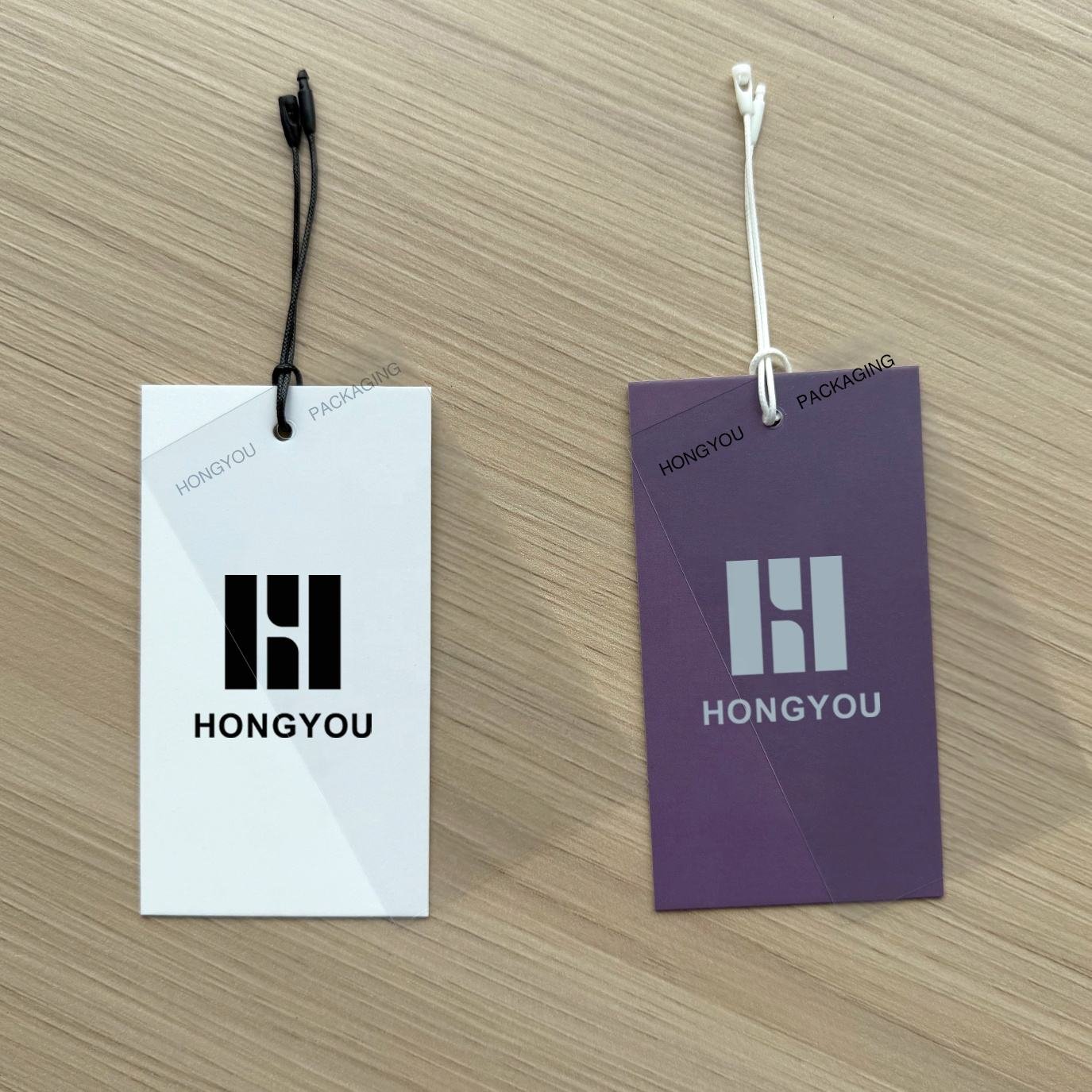
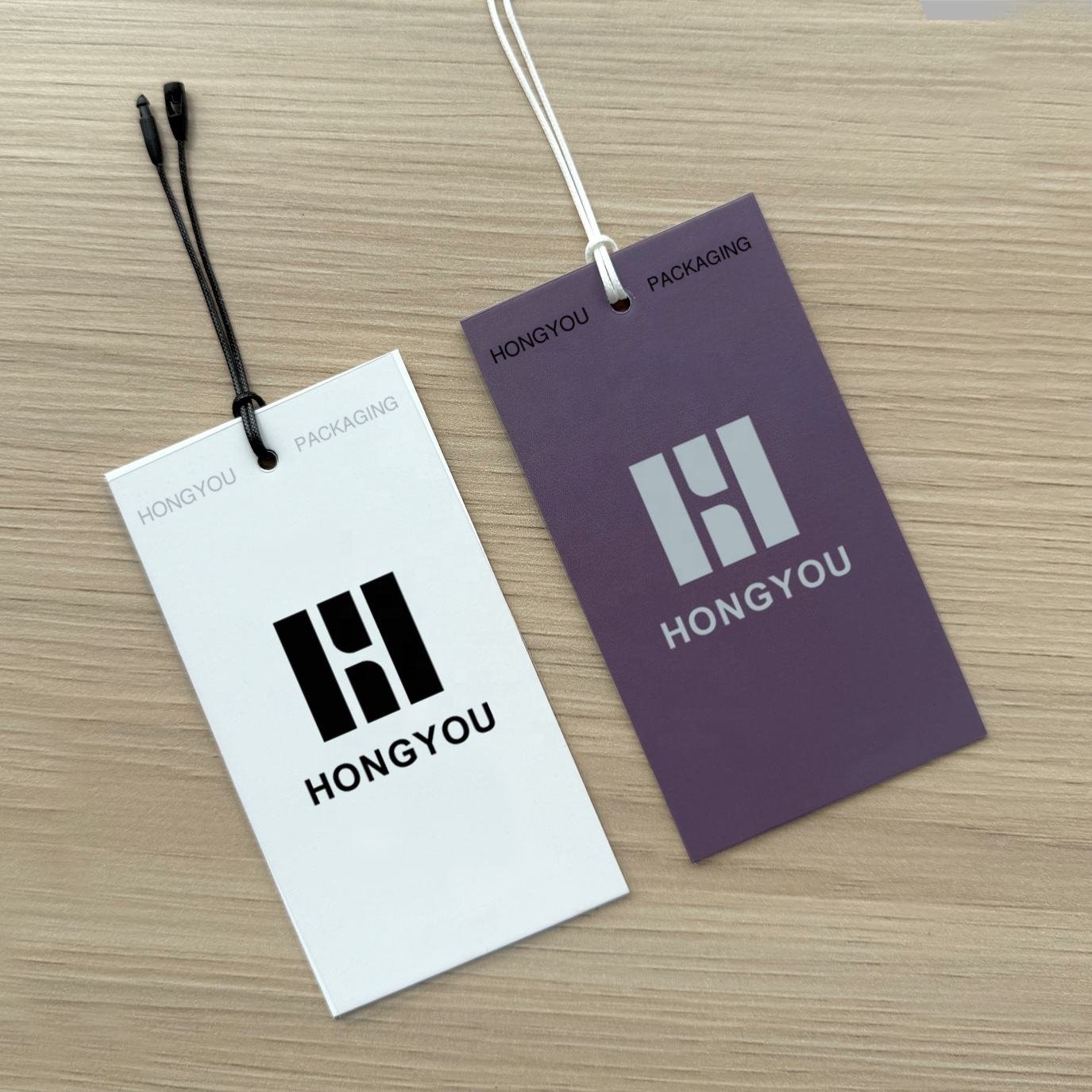
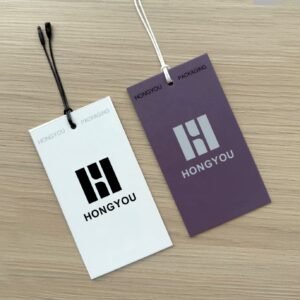
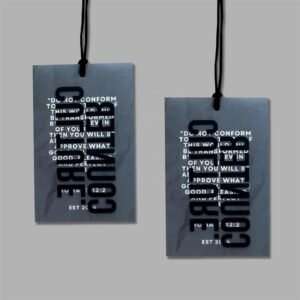
These printed 400gsm coated paper hang tags give apparel, shoe, and bag brands a substantial paper tag with a smooth surface for detailed artwork. The 400gsm stock offers a firm hand feel, while coated paper provides a practical base for logos, product messaging, color fields, sizing, or collection information. The paper itself is recyclable; recyclability of the completed tag may depend on the selected cord, eyelet, seal, ink coverage, finishes, and local recycling facilities.
This product page focuses on 400gsm coated paper. For the wider range, see our custom hang tags category. Choose it when coated paper, this defined paper weight, and printed brand presentation are central to the brief. You can develop it for apparel collections, individual footwear styles, bag lines, seasonal launches, retail sets, or coordinated packaging programs.
Configure each order around the supplied artwork and intended use. Select the printed layout, tag dimensions, shape, surface treatments, attachment cord, eyelet, and optional security seal. For an accurate quotation, share the specifications that affect production rather than relying on a generic tag estimate.
CMYK Clothing Hang Tags with Clear Artwork Reproduction
CMYK printing is available for designs that use multiple colors, photographs, illustrations, gradients, or detailed brand graphics. These CMYK clothing hang tags can carry a logo on the front and supporting information on the reverse, or use a unified layout across both sides. Coated paper offers a smooth print surface that works well when the design depends on clean type, controlled color areas, and crisp visual hierarchy.
For predictable artwork review, provide the final dimensions, shape, hole position, front and back files, intended colors, and any required finishing layers. Keep text readable at the finished size. Also, position important artwork away from the trim and cord hole. If a design includes foil, embossing, debossing, die-cut details, or spot UV, identify each effect separately so the sampling specification is unambiguous.
Color appearance can vary between a backlit screen and printed paper. A physical sample therefore provides a useful approval point for the selected material, artwork, dimensions, and finishing combination before mass production. Sampling normally takes around 3 days after artwork and specification review. Use the sample to confirm the overall presentation and construction against the agreed specification.
Printed Tags for Shoes, Apparel, and Bags
You can adapt the same 400gsm coated paper format across a coordinated product range. For apparel, tags may present a brand mark, collection name, size, product reference, or selected product information. On footwear, printed tags for shoes can attach to laces, loops, or another suitable point that the buyer selects. For bags, the cord and eyelet can become part of the visual presentation as well as the attachment method.
A consistent tag system can help related items look connected without making every tag identical. For example, a brand can pair one shared size and logo position with different CMYK colors for clothing, shoes, and bags. Alternatively, a brand may keep the print consistent while changing the cord material by collection. Die-cut shapes can further distinguish a capsule line, provided you consider the outline, hole placement, and artwork together.
Before confirming an order, check how the tag will hang on the final product, whether its scale suits the item, and whether the cord length is appropriate for the attachment point. If the tag must carry specific consumer or product information, the buyer should supply and approve that content. Therefore, assess the complete assembly as well as the flat printed card.
Finishing Options for Logo, Texture, Shape, and Contrast
Use finishes alone or combine them, depending on the artwork and specification. Foil stamping adds a defined metallic or colored foil area to selected elements such as a logo or border. Embossing raises a chosen detail, while debossing presses it into the surface. Spot UV introduces localized gloss contrast. Die-cutting creates the outer shape or designed cut details instead of limiting the tag to a standard rectangle.
Use each process with a clear purpose. A small foil logo can create a focal point without covering the CMYK design. Embossing or debossing can add tactile emphasis to a simple mark. For spot UV, specify the gloss area as its own artwork layer for the most effective result. A die-cut outline should still leave enough paper around the cord hole and key graphics for the intended construction.
Available options include:
- CMYK full-color printing
- Foil stamping
- Embossing or debossing
- Custom die-cut shapes
- Spot UV
The feasibility of a particular combination depends on tag size, artwork detail, shape, hole position, and selected accessories. Include all requested processes in the initial brief so we can evaluate them together during specification review and sampling.
Cord, Eyelet, and Optional Security Seal Choices
Attachment details affect both the look and handling of the finished tag. Cord choices include polyester, wax cotton, cotton, linen, metallic, and leather. A clean polyester cord can suit a straightforward retail tag, while wax cotton, linen, or leather can introduce a different texture. Metallic cord can coordinate with selected artwork or foil. The best option depends on the product, the attachment point, and the visual direction of the range.
Eyelets are available when the design calls for a reinforced or decorative hole detail. Plan their placement at the artwork stage so the eyelet does not obscure text, a logo, or a finishing area. Optional security seals are also available. Specify them with the chosen cord and intended method of attachment.
To reduce avoidable revisions, test the assembly concept before approval. Confirm the cord type, cord color, required length, knot or closure arrangement, eyelet requirement, and seal requirement. Also consider whether your team will attach the tag by hand and how it will sit during display or packing. Because different accessories may use different materials, buyers making recyclability decisions should evaluate the complete tag assembly and local disposal options, not only the recyclable paper component.
Approve the printed card and assembled tag separately
For this 400gsm coated paper tag, keep the paper, print and attachment details in one approved specification. A screen proof can confirm the artwork version, but the physical sample is the reference for checking the finished card and assembly.
- Card and drawing: record the agreed paper stock, finished width and height, shape and printing sides. Mark the hole position and the distance from the card edge on the drawing.
- Artwork version: label the front and back files clearly. Check spelling, logo orientation and any size, SKU or barcode data against your product list. If a barcode is required, include a scan check of the actual printed sample in your approval process.
- Print and finish: identify any requested finish on a separate artwork layer and mark its position. Confirm the proposed combination during specification review, then check alignment, legibility and appearance on the physical sample.
- Attachment: record the agreed cord material, colour, length and closure, plus any eyelet or seal requirement. Check the assembled tag at the intended attachment point and in the planned retail presentation.
- Version and packing: list quantities by artwork version or SKU and state how those versions should be separated and identified when packed.
- Approval record: retain the dated drawing, artwork version, agreed assembly details and approved physical sample. Mark any change on a repeat order instead of assuming a similar design is identical.
Not all details decided yet? Send your product application, artwork reference, estimated quantity and destination, and identify the open questions. Use the SKU and repeat-order checklist to keep versions consistent, or the home-textile RFQ checklist when the tags accompany home-textile products.
Order Specification, MOQ, Sampling, and Production Timing
The minimum order quantity is 100 pieces. A complete request helps align the quotation, sample, and production specification. Send the finished size, quantity, shape, CMYK artwork, printing sides, hole position, finishing requirements, cord choice, cord length, eyelet details, optional security seal requirement, and intended application. If several versions share one construction, identify the artwork and quantity for each version.
We confirm sampling timing after reviewing the final specification and artwork. After you approve the sample and full specification, mass production typically takes 7–15 days. This production range is not unconditional: we must confirm timing against the final tag specifications, finishing combination, and order quantity. Changes after approval may require another review of the schedule and production details.
A practical order path is:
- Submit artwork, dimensions, quantity, application, and accessory requirements.
- Confirm the paper, print, shape, finishes, cord, eyelet, and seal specification.
- Review the physical sample against the agreed details.
- Approve the sample and complete specification for mass production.
- Confirm the production schedule; mass production is typically 7–15 days after physical sample and specification approval, subject to specifications and quantity.
For a specification-based quotation, contact CanKun with your files and order details.
Frequently Asked Questions
What material is used for these hang tags?
The tag card uses 400gsm coated paper. Its coated surface supports printed artwork, and the paper is recyclable. Avoid treating “recyclable paper” as a certification claim: the disposal route for a completed tag can vary with inks, finishes, cords, eyelets, optional seals, and the recycling services available in the destination market.
Can I order full-color CMYK clothing hang tags?
Yes. CMYK printing is available for full-color artwork, including multi-color logos, illustrations, photographs, and gradients. Supply the final front and back artwork at the intended dimensions and identify any separate foil, embossing, debossing, die-cut, or spot UV layers in the production files.
Are these suitable as printed tags for shoes?
Yes. We can customize the tags for shoes as well as apparel and bags. When ordering for footwear, specify the tag size, cord type and length, attachment point, eyelet, and any optional security seal so we can review the complete assembly for the intended use.
Which special finishes can I request?
Available processes include foil stamping, embossing, debossing, die-cutting, and spot UV. These can complement CMYK print, subject to the tag dimensions, artwork detail, hole placement, chosen accessories, and confirmation of the final specification during sampling.
What cord materials are available?
Cord options include polyester, wax cotton, cotton, linen, metallic, and leather. Eyelets and optional security seals are also available. Specify the cord material, color, length, and preferred attachment arrangement when requesting a quote.
What are the MOQ and lead times?
The MOQ is 100 pieces. Sampling normally takes around 3 days after artwork and specification review. Once you approve the sample and complete specification, mass production typically takes 7–15 days, but the confirmed schedule depends on the final specifications, finishing processes, and order quantity.
What should I send to request a quote?
Send your artwork, finished tag size, shape, total quantity and version breakdown, printing sides, finish requirements, hole position, cord selection and length, eyelet details, optional security seal requirement, and whether the tags are for apparel, shoes, or bags. Contact us for a quote or browse the broader custom hang tags range if you need a different paper or construction.
REFERENCE SPECIFICATION · 参考规格
Reference specification for a new sample
These are proposed values for a NEW sample. They are not measurements of the photographs, a recovered order, a signed production sample or a test result.
Existing evidence and its limits
Existing product descriptions and photograph observations remain above. The proposed dimensions, construction and packing below are not additional measured facts about those photographed samples.
Paper and size
400 g/m² coated paper, 50 × 90 mm rectangular card; CMYK front/back. The paper weight follows this product brief; the dimensions and print layout are proposed for the new sample.
Attachment
Proposed polyester velvet ribbon 3 × 250 mm (width × cut length); horizontal slot 8 × 2 mm, centred, with the upper slot edge 5 mm from the top. Trial threading, knot allowance and tear behaviour.
Review the category reference option · Download this reference specification (TXT) · Size allocation and packing example
Record the final drawing, artwork revision, component quantities, actual physical sample and approval before bulk production. Garment composition/care content, performance results and approver/date must come from the actual project.
Planning a Canadian-destination order? Use the Canadian specification review and physical-sample approval checklist, then include finished card dimensions, front/back artwork revision and attachment details in your hang-tag quote request. Identify Canada as the destination and keep the approved content, drawing and sample revision together.
Reviews
There are no reviews yet.